

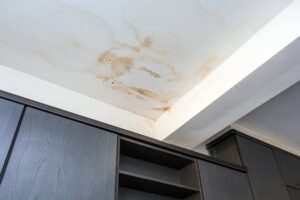
 Moisture damage in rental properties seldom stems from dramatic events like floods or burst pipes. It more commonly develops over time through everyday humidity, small leaks, and poor airflow. This repeated exposure can result in mold growth, wood rot, and deteriorating indoor air quality. Understanding the dangers of constant moisture is essential for landlords to protect your property’s value and avoid costly repairs.
Understanding Moisture Damage: The Hidden Threat to Rental Property Value
When thinking about property damage, dramatic events such as fires, floods, or storms are usually imagined. However, other things that can cause just as much damage without being immediately noticeable. Moisture damage is one of these hidden dangers. It is continuous, subtle, and easy to overlook, especially in rental properties where early signs are often missed.
Everyday routines like bathing, cooking, and laundry release moisture into the air. Without proper ventilation and maintenance, moisture can seep into walls, flooring, and structural components, gradually weakening the property and causing significant damage.
Moisture damage is rarely contained. Small condensation issues or leaks can eventually lead to widespread complications, compromising the property’s habitability and value.
Common Causes of Moisture Damage in Rental Properties
Some of the most common sources of moisture damage in a rental property come from small, everyday activities or gradually developing plumbing issues. For instance:
- High Indoor Humidity: Daily life creates indoor moisture. Bathrooms lacking efficient exhaust fans, kitchens with poor ventilation, and laundry spaces that trap steam all contribute to elevated humidity levels.
- Small Leaks: Dripping pipes, slow roof leaks, and poorly sealed windows can leak unnoticed for months. These minor leaks often hide within walls, ceilings, or cabinets, causing damage before visible signs appear.
- Poor Ventilation and Airflow: Moisture becomes trapped without proper airflow. Attics, bathrooms, basements, and closets are especially at risk. Poor ventilation is a significant contributor to long-term moisture damage in rentals.
- Seasonal Weather and Climate: Rain, snow, and humid weather increase moisture exposure. Properties in wet or extreme climates face greater risks without ongoing maintenance and inspections.
Long-Term Effects of Moisture Damage on Rental Properties
Even small amounts of moisture can gradually cause serious issues. These include:
- Mold and Mildew Growth: Damp conditions favor mold growth. Besides remediation, mold can result in resident complaints and potential legal complications.
- Poor Air Quality: Humid indoor environments can worsen health concerns over time, raising liability due to declining habitability.
- Wood Rot and Structural Weakening: Continuous moisture exposure deteriorates wood framing, trim, and subfloors. Structural damage often goes unnoticed until major repairs are unavoidable.
- Cosmetic damage: Peeling paint, warped flooring, and deteriorating finishes are usually the first visible signs of deeper moisture problems, affecting tenant satisfaction and rental appeal.
Since moisture damage builds slowly, it often becomes extensive before being visible, making proactive property inspections a priority for rental property owners.
Proven Moisture Prevention Strategies for Landlords
Prevention is the most reliable way to avoid moisture-related property damage. Routine property inspections are vital. From spotting condensation patterns to reviewing ventilation systems, inspections help stop damage before it becomes severe.
Landlord humidity prevention strategies include:
- Providing proper ventilation in bathrooms and kitchens
- Addressing leaks immediately, no matter how minor
- Monitoring at-risk areas during inspections
- Maintaining windows, roofs, and exterior seals
These preventative steps are more cost-effective than moisture-related repairs and help keep residents healthy and comfortable in their home.
Protect Your Rental Property Investment from Moisture Damage
Moisture may be subtle, but it can cause serious problems in rental properties. It often results in structural damage and health hazards, making it a major expense for landlords. With proactive inspections and strategic humidity management, this threat can be prevented.
If hidden moisture issues are threatening your rental property, Real Property Management Hartford Metro/Greater New London can help you stay ahead. Our inspections and maintenance programs assist rental property owners in Greater New London in spotting problems early, prevent moisture damage, and protect property values. Contact us online or call 860-436-9955 today.
This content is provided for general informational and educational purposes only and does not constitute financial, legal, tax, or investment advice. Readers should consult with licensed professionals regarding their specific circumstances.
We are pledged to the letter and spirit of U.S. policy for the achievement of equal housing opportunity throughout the Nation. See Equal Housing Opportunity Statement for more information.
